
Who is suitable for SIL? It’s one of the most common questions asked by NDIS participants, families, carers and support coordinators when planning for greater independence.
For some people, Supported Independent Living (SIL) provides the opportunity to move into a safe, supportive home where they can build confidence, learn everyday life skills and enjoy greater independence. For others, different NDIS supports may be more appropriate.
Knowing whether SIL could be suitable isn’t always straightforward, which is why Horizon Community Services has created a free SIL Readiness & Self-Assessment Guide. This practical resource is designed to help you understand your current support needs, identify your goals and prepare for conversations with your support network before beginning the SIL assessment process.
Whether you’re a participant planning for the future, a parent supporting a young adult, or a support coordinator exploring suitable options, this guide will help you make more informed decisions.
Download the free SIL Readiness & Self-Assessment Guide
Before reading further, we encourage you to fill out your details below, and download our free guide.
Inside you’ll find:
- A practical SIL readiness checklist
- Daily living skills assessment
- Goal-setting worksheets
- Support network planner
- Questions to ask potential SIL providers
- Preparation checklist for your next NDIS review
- A simple scoring guide to help determine whether SIL may be worth exploring
Download your FREE SIL Readiness & Self-Assessment Guide today and discover who is suitable for SIL use it as a starting point for planning your independent living journey.
"*" indicates required fields
What is Supported Independent Living?
Supported Independent Living (SIL) is an NDIS-funded support that helps eligible participants live as independently as possible while receiving assistance with everyday tasks.
Rather than focusing solely on accommodation, SIL provides the daily supports participants require to manage life safely and confidently.
These supports might include assistance with:
- Personal care
- Meal preparation
- Medication prompts
- Household tasks
- Shopping
- Budgeting
- Community participation
- Developing independent living skills
Every participant receives a different level of support depending on their individual circumstances and goals. Contact us to find out who is suitable for SIL.

Who is suitable for SIL?
The answer depends on much more than simply having an NDIS plan.
Generally, people who may benefit from Supported Independent Living require regular assistance throughout the day due to the impact of their disability.
Someone who is suitable for SIL may:
- Require support every day.
- Need assistance with multiple daily living activities.
- Have goals centred around greater independence.
- Be planning to move out of the family home.
- Require support overnight or across a 24-hour period.
- Benefit from living with compatible housemates and dedicated support workers.
Every participant’s journey is different, and SIL is never a one-size-fits-all solution. Find out who is suitable for SIL by completing the SIL Self Assessment below.
Who is Suitable for SIL: Common situations
Many Horizon Community Services participants begin considering SIL during major life transitions.
Young adults moving out of home
Parents often reach a stage where their son or daughter wants greater independence while continuing to receive appropriate support.
Supported Independent Living allows young adults to develop confidence while maintaining the safety net of experienced support workers.
Ageing parents and carers
Many ageing parents begin asking:
“What happens when I can no longer provide daily care?”
Planning for SIL early allows families to explore options gradually rather than making rushed decisions during times of crisis.
Increasing daily support needs
Sometimes participants experience changing support requirements.
Daily routines may become more challenging, making ongoing support increasingly important.
Building life skills
For many participants, SIL is less about needing constant care and more about developing skills that improve independence over time.
Signs SIL may be worth exploring
While only the NDIA can determine funding eligibility, several indicators suggest it may be worthwhile discussing Supported Independent Living with your support team.
You may benefit from further exploration if you regularly require support with:
Personal care
- Showering
- Dressing
- Grooming
- Toileting
Household management
- Cooking
- Cleaning
- Laundry
- Grocery shopping
Daily routines
- Medication reminders
- Appointments
- Budgeting
- Planning meals
- Time management
Community participation
- Travelling independently
- Attending activities
- Building friendships
- Participating in social programs
If several of these areas apply to you, the next step may be discussing SIL with your support coordinator or allied health team.
When SIL may not be the right option
Not every participant requires Supported Independent Living.
Some people live independently with only occasional assistance.
Others may benefit more from supports such as:
- In-home supports
- Community participation
- Capacity building supports
- Personal care services
- Support coordination
Understanding your individual needs is the most important part of the decision-making process.
That’s exactly why our free self-assessment guideor finding out who is suitable for SIL was developed.
Why a self-assessment is valuable
Many participants aren’t sure how to describe their support needs during planning meetings.
The SIL Readiness & Self-Assessment Guide encourages meaningful conversations about:
- Current challenges
- Daily routines
- Independence goals
- Existing supports
- Areas where additional assistance may improve quality of life
Completing the guide before speaking with a provider often makes planning conversations more productive.
It also helps families identify questions they may not have considered.
What’s included in the SIL Readiness Guide?
Our downloadable guide has been designed specifically for participants, families and support coordinators.
It includes practical worksheets covering:
Daily living skills
Rate your confidence in managing everyday activities such as cooking, cleaning, budgeting and medication.
Personal goals
Identify what independence means to you.
Perhaps you’d like to:
- Move out of home.
- Learn new life skills.
- Build friendships.
- Become more involved in your community.
- Improve confidence.
Support network
Map the people currently supporting you, including:
- Family
- Support workers
- Occupational therapists
- Psychologists
- Support coordinators
- Other professionals
Questions to ask SIL providers
Choosing the right provider is just as important as finding the right home.
The guide includes practical questions to ask when comparing providers, including:
- How are participants matched?
- How are support workers selected?
- How is participant progress measured?
- What community participation opportunities are available?
- How are families kept informed?
How Horizon Community Services support a participant who is suitable for SIL
At Horizon Community Services, we believe Supported Independent Living should focus on far more than daily assistance.
Every participant deserves opportunities to build confidence, develop new skills and enjoy meaningful community connections.
Our experienced team works alongside participants, families and support coordinators to create personalised support plans that reflect each person’s goals, preferences and aspirations.
We also understand that independence extends beyond the home.
That’s why many participants engage in enriching community activities through our partnership with Access Logan Inc Community Enrichment Programs, encouraging creativity, social connection and active participation in community life.
These opportunities help participants develop friendships, confidence and a genuine sense of belonging. Talk to our friendly team today about who is suitable for SIL supports and see how HCS can help.
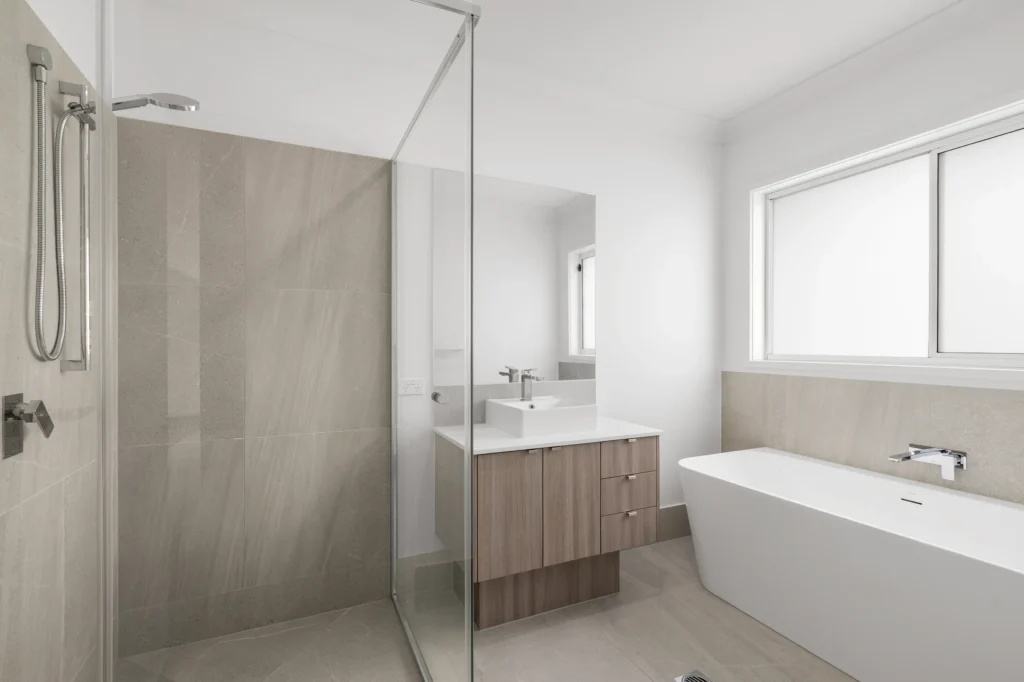
One of our SIL Homes in Greenbank…Click to view more


Who is suitable for SIL? Planning ahead leads to better outcomes
One of the biggest mistakes families make is waiting until support needs become urgent before exploring Supported Independent Living.
Planning ahead provides time to:
- Understand SIL funding.
- Explore suitable homes.
- Meet providers.
- Build transition plans.
- Identify compatible housemates.
- Prepare supporting evidence for NDIS reviews.
Early planning often leads to smoother transitions and better long-term outcomes.
Support coordinators play an important role
Support coordinators are often the first professionals families approach when considering SIL and who is suitable for SIL.
Our self-assessment guide provides a structured resource that can help support coordinators:
- Identify participant goals.
- Start meaningful planning conversations.
- Gather information before assessments.
- Prepare participants for NDIS planning meetings.
- Encourage participant-centred decision making.
Rather than replacing professional assessments, the guide supports better preparation.
Why choose Horizon Community Services?
Choosing a SIL provider means trusting someone with an important part of a participant’s future.
Horizon Community Services is committed to delivering personalised supports that prioritise:
- Independence
- Respect
- Safety
- Inclusion
- Skill development
- Participant choice
- Quality of life
We proudly support participants across:
- Brisbane
- Logan
- Ipswich
- Gold Coast
- Sunshine Coast
Our experienced team works closely with families, allied health professionals and support coordinators to ensure every participant receives supports tailored to their individual needs.
Learn more about our Supported Independent Living services here
Explore more participant resources on learning more about Who is suitable for SIL by reading our SIL Articles.
Or find us on Google Maps here.

Download your free SIL Readiness & Self-Assessment Guide
If you’ve been asking “Who is suitable for SIL?”, the best place to start is by understanding your current support needs and future goals.
Our free SIL Readiness & Self-Assessment Guide has been designed to help participants, families, carers and support coordinators prepare for informed conversations about Supported Independent Living.
Once you’ve completed the guide, our experienced team would be happy to discuss who is suitable for SIL and your results, answer your questions and help you understand whether Supported Independent Living may be the right pathway for your circumstances.
Horizon Community Services
Unit 3, 13 Corporate Place
Hillcrest QLD 4118
Phone: 07 3520 8909
Email: hello@horizoncommunityservices.au
Talk to us today about Who is Suitable for SIL. Supporting participants throughout Brisbane, Logan, Ipswich, the Gold Coast and the Sunshine Coast.
Download the free SIL Readiness & Self-Assessment Guide today to learn more about who is suitable for SIL and book a conversation with Horizon Community Services to explore your next steps towards independent living.